
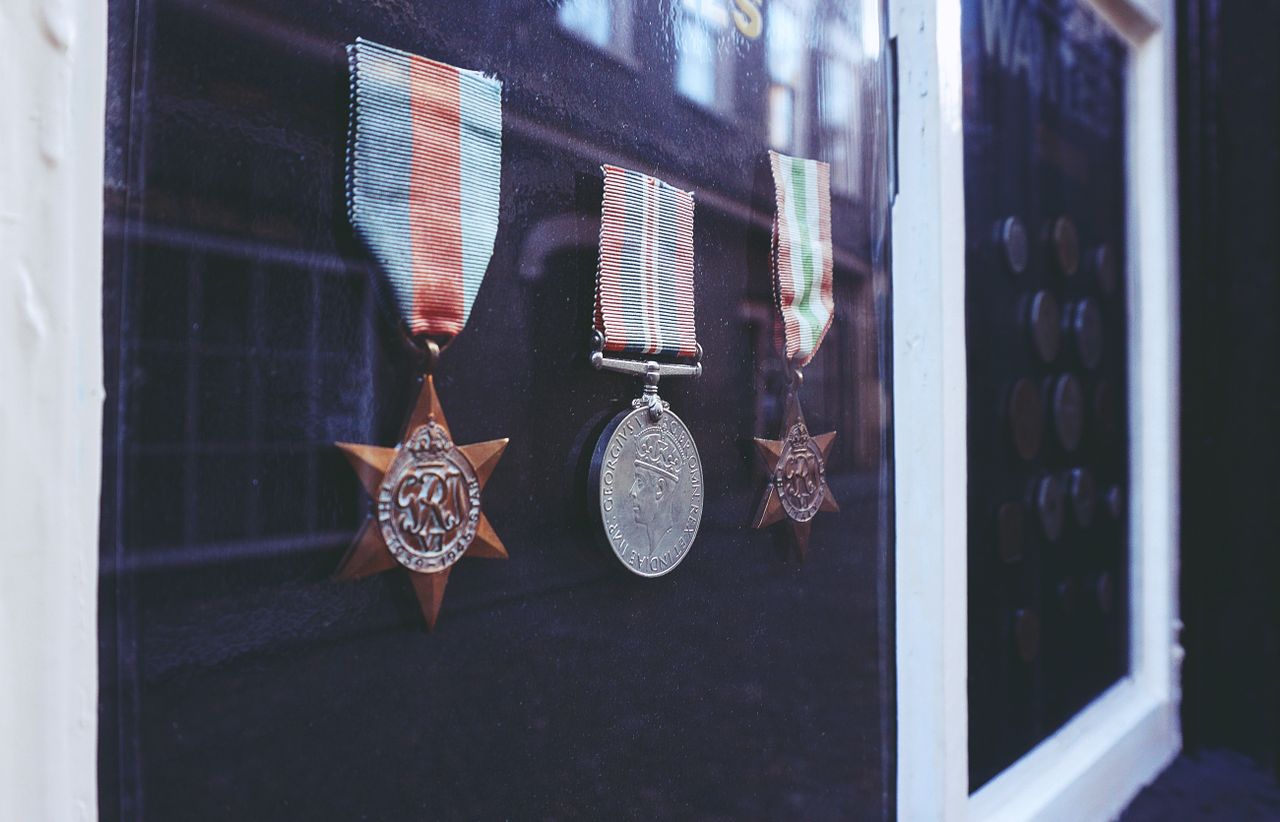
When a soldier dies, their military medals generally remain with their family and become part of their personal possessions and estate. They are not automatically returned to the Ministry of Defence (MOD), and family members can keep them as a lasting reminder of their loved one’s military service.
In many cases, medals are passed down through generations, displayed at home or worn by relatives during remembrance events. However, there are certain rules around who can inherit, wear and apply for replacement medals. Understanding what happens to military medals after someone dies can help families preserve an important part of their history.
Key Points
- Military medals can generally be kept by the family and passed down as family heirlooms.
- Close relatives can wear a deceased soldier’s medals on the right-hand side of their chest when wearing civilian clothing.
- If medals have been lost, stolen or damaged, the family may be able to apply for replacements through the MOD, subject to eligibility.
Who Inherits a Soldier’s Medals When They Die?
When a soldier or veteran passes away, their medals normally remain with their estate and can be passed to their chosen beneficiaries.
Unlike some military awards or honours, medals do not need to be returned to the MOD simply because the recipient has died. They are personal awards recognising an individual’s service, achievements and contribution to the Armed Forces.
If the deceased has left a will, their medals can be included as part of their personal belongings and passed to a family member or another beneficiary.
If there is no will, the medals will generally be dealt with as part of the estate under the usual inheritance rules.
For many families, military medals are particularly important because they represent a relative’s personal history and experiences. They may have been awarded for serving in a particular campaign, completing a period of service or demonstrating exceptional bravery. You can find out more about different awards through the GOV.UK guide to military medals, campaigns and eligibility.
Can You Wear a Relative’s Military Medals After They Die?
Yes, close relatives can wear a deceased family member’s official military medals as a mark of remembrance, but there are some important rules to follow.
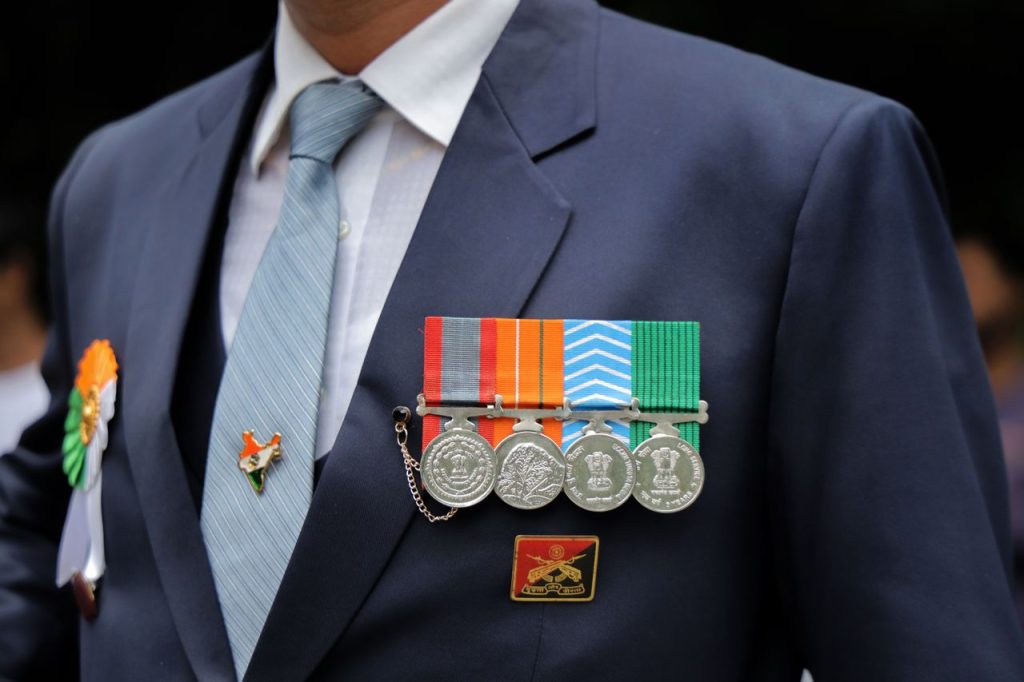
It is common practice for the next of kin of a deceased service person to wear their relative’s medals on the right-hand side of their chest when dressed in civilian clothing.
Relatives can wear medals on the right hand side after the person has passed
This is particularly common during Remembrance Sunday, Remembrance Day, military parades and other commemorative events.
It is important to remember that medals should not be worn on the left-hand side, as this is reserved for medals awarded to the person wearing them.
Serving members of the Armed Forces should not wear relatives’ medals while wearing military uniform.
The distinction is important because medals recognise the achievements and service of the individual who originally received them, rather than the person wearing them.
What Happens to Medals When a Soldier Dies in Service?
When a serving soldier dies, the MOD has procedures in place to make sure any medals they have earned are identified and passed to their family.
If the individual was entitled to medals that had not yet been issued, the MOD Medal Office can carry out an entitlement check and arrange for outstanding awards to be issued to the next of kin.
Under current Armed Forces guidance, the MOD Medal Office aims to contact the relevant visiting officer within 48 hours of being notified of a service person’s death to establish their medal entitlement and other arrangements.
Where required, medals can also be cleaned, mounted and placed in a presentation case for the funeral.
This ensures that the family’s loved one receives the recognition they deserve, even if their medals had not been formally presented before their death.
The MOD also has arrangements for presenting posthumous awards to the appropriate next of kin. Further details are available through the Ministry of Defence guidance on honours and awards in the Armed Forces.
Can You Get Replacement MOD Military Medals If They Have Been Lost?
Yes, in certain circumstances, family members can apply to the MOD for replacement medals belonging to someone who has died.
However, the rules depend on why the original medals are missing. The MOD can provide replacements if medals have been stolen, damaged or destroyed, for example, following a burglary, fire or flood.
It does not normally replace medals simply because they have been lost.
If the original medals belonged to someone who has died, the MOD must recognise the applicant as their next of kin. The spouse or civil partner has the first claim, followed by the parent where there is no spouse or child, and then the eldest child where there is no spouse or parent.
Applications generally require evidence such as a death certificate and details of the individual’s military service.
You can find out more about the requirements and application process in the official GOV.UK guide to replacing a military medal.
How Can You Find Out What Medals a Deceased Soldier Was Awarded?
If you are unsure which medals a relative received during their military career, you can apply to the MOD for information about their medal entitlement.
You will generally need their name, service details and dates of service to help identify the correct records.
The National Archives can also be useful when researching older military service, particularly First World War campaign medals.
You can find further details about requesting historical medal information through the GOV.UK medal information and application service.
Interestingly, the MOD confirmed that it had dispatched 144,155 King’s Coronation Medals by 26 February 2025, demonstrating the scale of its medal issuing operations across serving personnel, veterans and other eligible groups.
Keeping a Soldier’s Medals as a Family Heirloom
Military medals are much more than pieces of metal; they represent years of service, personal sacrifice and important moments in history. When a soldier dies, keeping their medals within the family can be a meaningful way to preserve their memory and pass their story on to future generations. Whether you choose to display them, store them safely or wear them during remembrance events, they remain an important reminder of the person who earned them.
